In my page ‘About me’ I explain how I came to be in Lawrence School, Lovedale. Looking back, it is patently and painfully obvious that my father who sent me there was hoodwinked into believing that Lawrence School, Lovedale was superior to any school in Kenya. It wasn’t! The schools I mention in this Page and Part 2 which follow were and continue to be vastly superior in all respects, be it academics, sports and extra-curricular activities. Above all, Indians could be Indians and comical practices such as the annual ‘Founder’s’ parade would be the subject of ridicule. Without a shadow of a doubt Kenyan Schools were and are far better value for money. Very few, if any, Kenyan children are now sent to any boarding school in India as the bogosity, particularly of Lawrence School Lovedale has long been exposed.
Huge sums of money were spent by my father sending his 3 children to Lawrence School Lovedale, based purely on its bogus reputation. Just the travel costs costs would have exceeded the annual salary of all of the teachers in Lovedale whereas the cost of a first class school education in Kenya was negligible.
In Kenya, families looked after their own. In Lawrence School Lovedale care was meant to be provided through skilled, experienced teachers and carers. In the Prep School part of Lawrence School, the carers were untrained, many were illiterate slum dwellers, others were unsuitable but all relied on beatings and torture. In the Junior and Senior Schools, teachers like Mac (see multiple Pages) simply abrogated their responsibilities and wrought ruin to both pupils and their families.
Whereas Kenya was clean and never had any water shortage, Lawrence School Lovedale was downright filthy, there was a constant water shortage, and hygiene standards among both servants, particularly the catering staff, and pupils was diabolical!
Here are examples of some of the alternative schools available in Kenya:
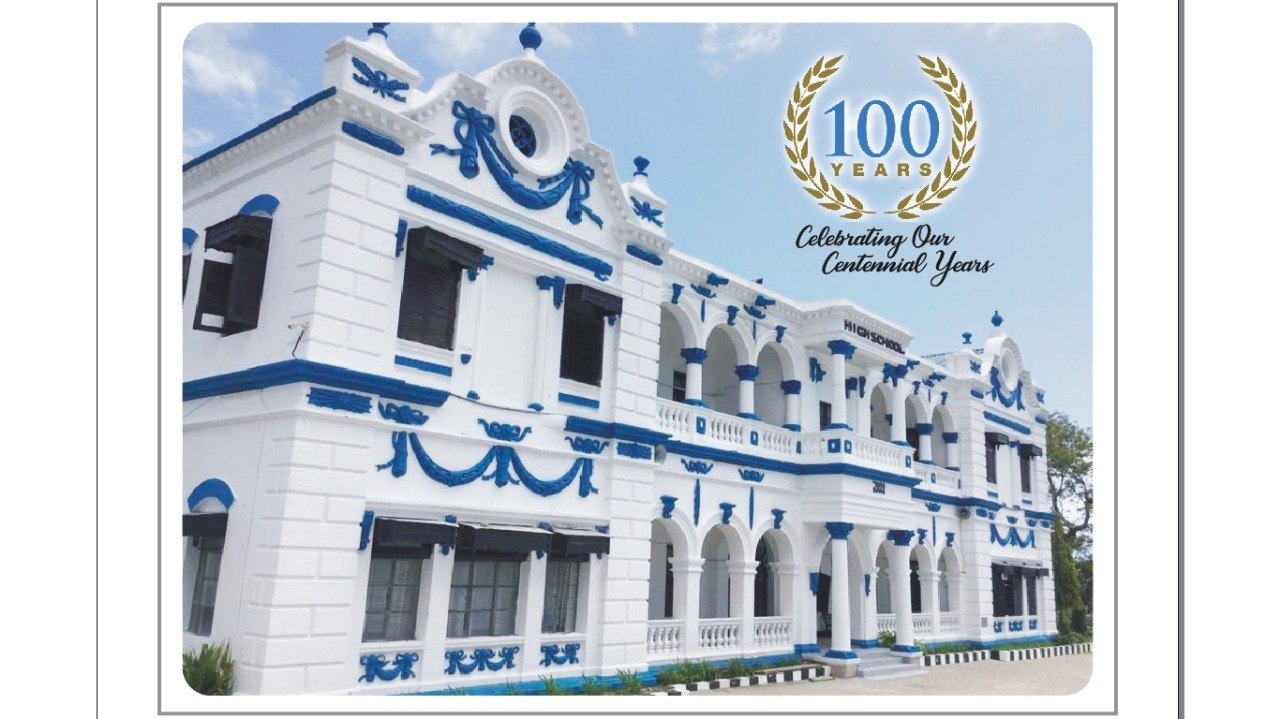 Alidina Vishram School
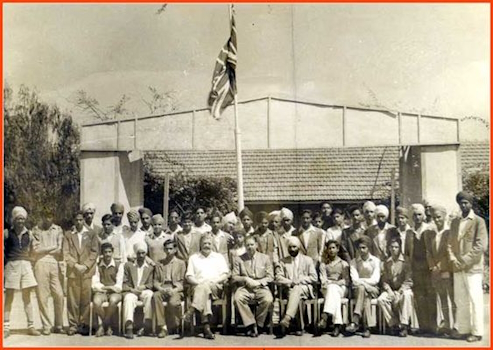
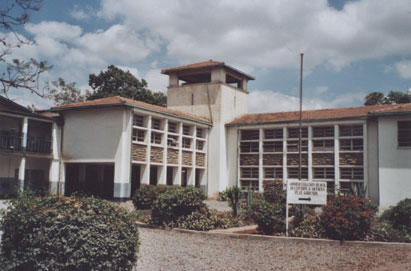
Alidina Visram School Mombasa where several community members boarded. Set up in 1923, this school was established by and for Indians. Virtually every graduate of the school went on to do well in life. There were no ‘British’ traditions of organised bullying and no bogus, unnecessary, military pretentions
Jamhuri School, Nairobi. Founded as a Railway Educational Centre in 1906, became the Government Indian School, and then in 1955, took the name Duke of Gloucester School. It was the said Duke who had in 1950 presented Nairobi with the Royal Charter. The staff who taught there were well qualified Indians from India and were vastly superior to the Lawrence School staff.
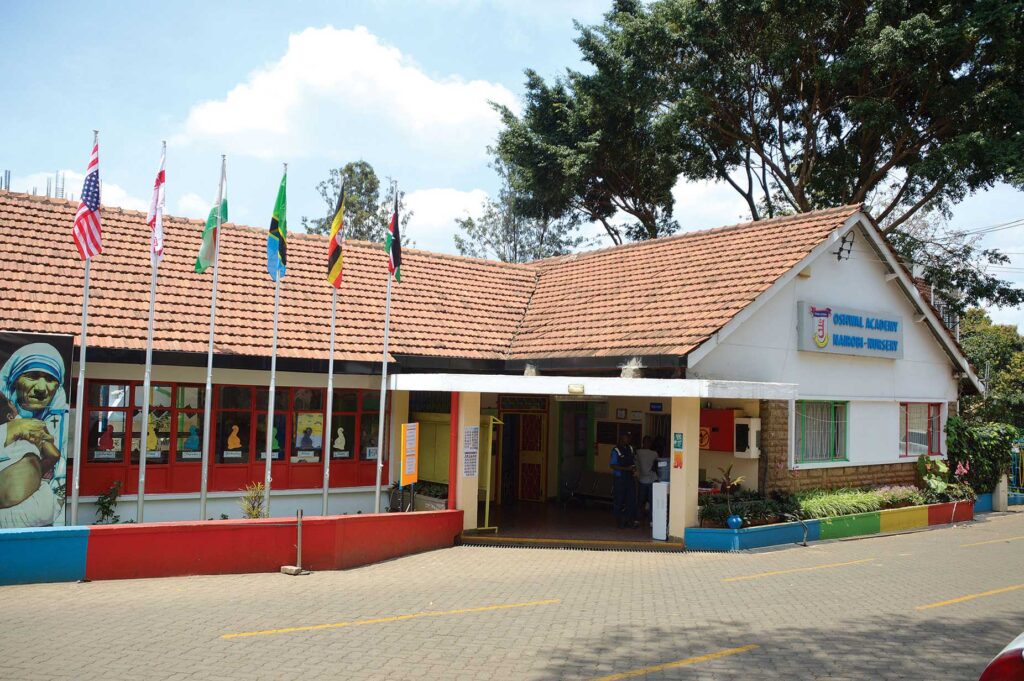
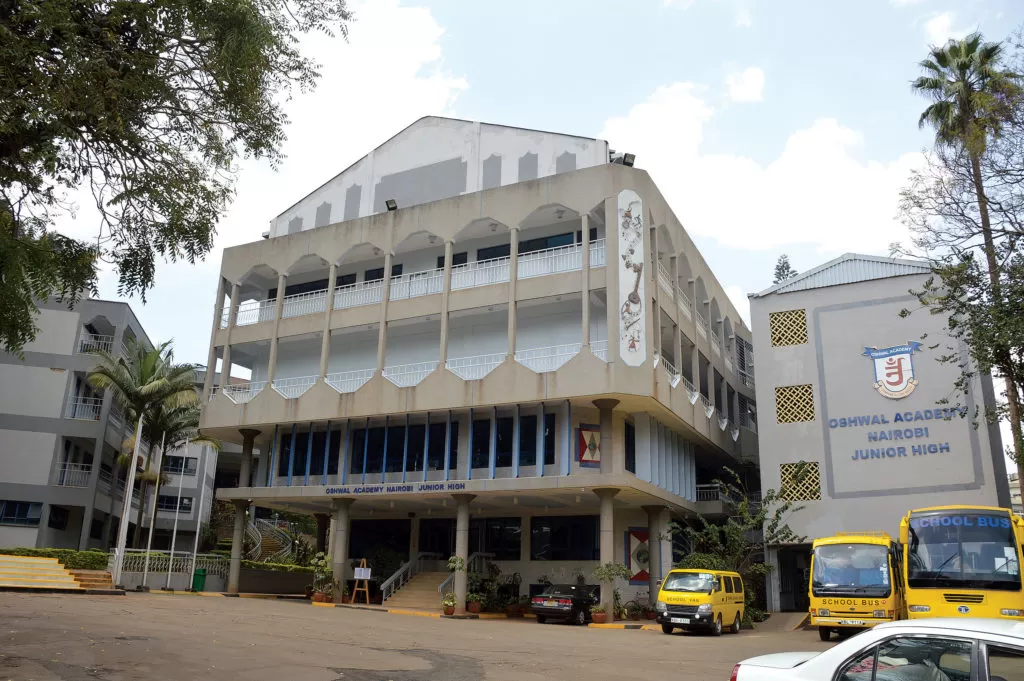
Oshwal Academy Nairobi. This School was established in 1950 as a nursery school. Subsequently, a secondary school was developed which even now produces some of the best A level results in the world! As a Bank Manager based in the UK, I personally opened the accounts of three generations of Oshwals (Gujarati Jains). The most recent generation have gone on to get first class degrees from UK Universities and have walked into jobs in Investment Banking, Law, Medicine and various other professions here in the United Kingdom.
Technical High School
Look at this video clip of the School Magazine from 1960 and at 16 seconds the teachers and their qualifications. They could easily compare to those of Lawrence School Lovedale.
The teachers, India and UK qualified would be as competent if not more than those in Lawrence School. See the list in this video of 1962 and compare with the list of Lawrence on 1965.
Eastleigh Secondary School
Eastleigh Secondary School was founded in 1952 under the name Racecourse Secondary School to cater for the education of the Asian Community in the Pangani/Park Road area. With the ensuing increase in the demand for education, it was decided that the Racecourse Secondary School be moved to a new site in the Eastleigh area. The construction work for this new school was completed in December 1955 and the school opened its doors to pupils for the first time on 16th January 1956.
Highway Secondary School Nairobi. See Part 2 of this post and the Sunak connection
I have set out details of just 5 alternatives with additional information relating to Highway Secondary School in Part 2 of this Post.. Truth is that there were dozens of such schools in East Africa which, in those days was regarded as one entity with a common currency, common postage stamp etc. Regrettably though, the totally bogus reputation of Lawrence School Lovedale, and, for that matter other boarding schools in India had reached East Africa and Kenya in particular. It was this bogus reputation that led to a disastrous waste of time, money, and above all, led to a disastrous waste of education.
Long before Lawrence School allowed Indians to enter, there were Indian Schools in Kenya providing a high standard of education for Indians!
It is astonishing to think that boys were sent from modern, clean Kenya. where there was never a shortage of water, where electricity was in abundant supply, where the streets were cleaned everyday (yes everyday; I used to await the dustcart making its way down the road I was living in and making cheeky faces as a 4 year old at the dustmen, all in good spirit), to rudimentary facilities albeit hidden behind a building magnificent on the exterior.
Contrast: Clean hygienic Nairobi V Filthy slum Lovedale.
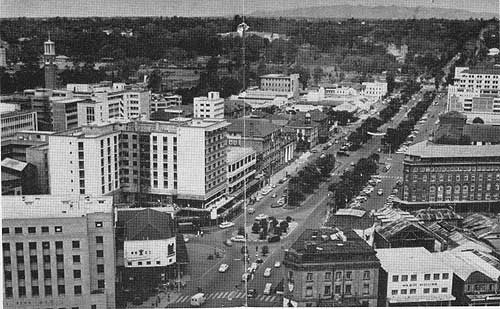
Images of Modern, clean Nairobi that I left in favour of Lovedale. In the first picture on the left can be seen the New Stanley Hotel. I used to walk down what was then Delamere Avenue (now Kenyatta Avenue) holding on to my father’s hand and we would visit Standard Bank to pay in the previous day’s takings followed by a visit to the Post Office from which mail was collected. Imagine the happiness a 5 year would feel in the sunshine and blue skies and just a year later being tortured by characters like Miss Teressa, Rosy Ayah, Mrs Enos, Miss Nainan and others. Imagine having to sit in a fly-ridden dining room and having to eat food made in unhygienic conditions by filthy kitchen staff with a Colonial hangover and torturer, Mrs Fowles in charge!
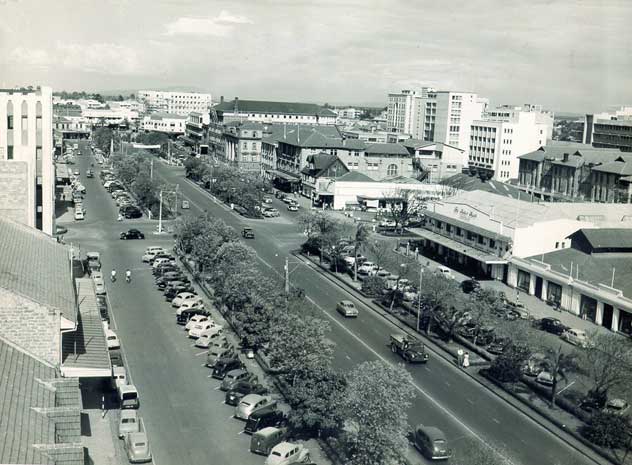 Delamere Avenue-1960 Now called Kenyatta Avenue
Alternative schools in Kenya – Sunak family connection
This post is devoted to former U.K. Prime Minister Sunak’s family connection to education in Kenya to provide proof positive, if proof were needed that sending my siblings and I to Lawrence School, Lovedale was a colossal waste of time and treasure. Absolutely no value was added in Lovedale where torture and bullying was on an industrial scale. Whereas Nairobi pupils led contented lives, pupils in Lovedale were mostly in a negative atmosphere.
I have been a member of the Conservative Party in the UK for many years and as such, I take pride not only in the achievement of a fellow Kenyan/Indian Origin gentleman becoming PM of the United Kingdom but also because that former PM, and that too of the country that ruled India for two centuries, wears his Hindu identity on his sleeve.
Rishi Sunak’s father Yashvir and Yashvir’s brother Harish were pupils at Highway Secondary School, Nairobi. They were classmates of my cousins. The text books stationary etc. for the school were supplied by my relatives, Savani’s Book Centre. Yashvir qualified as a doctor at the same time as my brother Naren who studied at Lawrence School Lovedale. The difference was that the education in Nairobi:
- Cost peanuts compared to the COLOSSAL sums spent on a Lovedale education particularly with airfares
- Unlike Lovedale, there were no slum conditions that members of my Kenyan Indian Community had to suffer in that
- There was never any shortage of water so defecation and bathing posed no problems
- Food was in abundance, hygienic and nutritious
- Bullying wasn’t a problem, particularly not in my family as the Savani family’s ability to take decisive retributive action was well known unlike in Lovedale which was thousands of miles away and where characters like Anglo-Indian Mac abandoned children they were paid to look after, to 16/17 year old thugs. Obviously, the further away a pupil was from the support system of family and the more infrequent the contact the parents had with the school, the more vulnerable he became. The relationship between the bullied, thousands of miles from home and the bullies with the full support of characters like Mac was heavily skewed in favour of the bullies.
- Theft wasn’t a problem in Kenya as everybody within the community had access to the same goods, unlike Lovedale where not only staff but other pupils craved simple things merely as they were made outside India. Villagers such as Kalli Jacob and John Koshy were prone to theft anyway, the former notwithstanding his appointment as vice-head boy even breaking into locked trunks to ‘forage’ for anything of value, and the latter openly thieving!
- There were no stupid practices in Nairobi such as putting in hours and hours of practicing for a parade in honour of tax extorter Sir Henry Lawrence, who specifically wanted Indians excluded from the institutions he founded!
- There was no Anglo-Indian community in existence; there was a Goan community but that was small and its members always kept a low profile.
- Anglo-Indian Mac wouldn’t have lasted even a few days in Kenya if he frequented clubs like Lawley Institute (Ooty) which was his watering hole while he was a Housemaster and paid as a Housemaster in Lawrence School, Lovedale. News of a school master indulging in such practices would have spread like wildfire and schools wouldn’t have accepted the resulting disrepute.
Highway Secondary School, Nairobi, the Alma Mater of Yashvir Sunak and Harish Sunak, father and uncle of British PM Rishi Sunak.
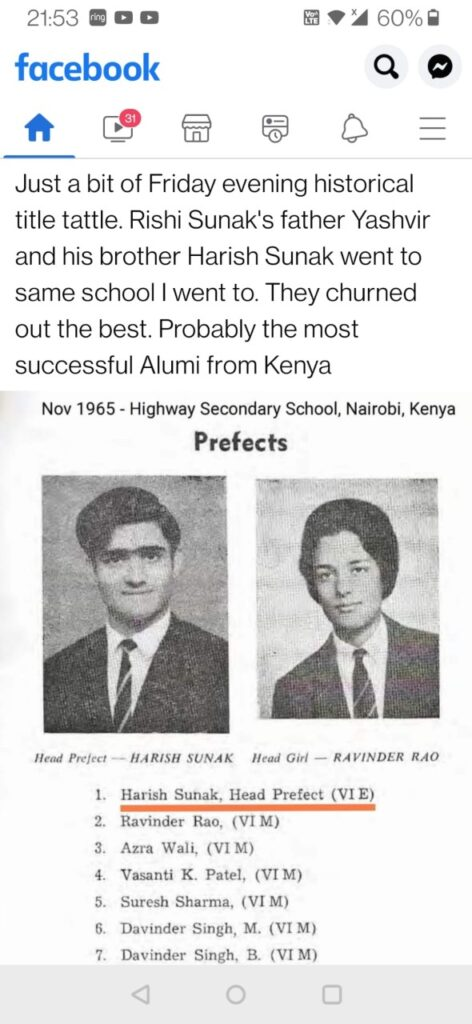
In the image above relating to Harish Sunak, you will notice that all the names are Indian. This image of 1965 is when Valikappen was head boy of Lawrence School Lovedale. Valikappen died an alcoholic while managing a hotel in Madurai, Harish Sunak is a Professor of Electrical, Computer and Biomedical Engineering at the University of Rhode Island, USA. What a contrast! Valikappen was the 6th ‘officer’ (prefects etc) in 5 years 1965-1969 to die an alcoholic! And these are only the ones I am aware of from distant London!
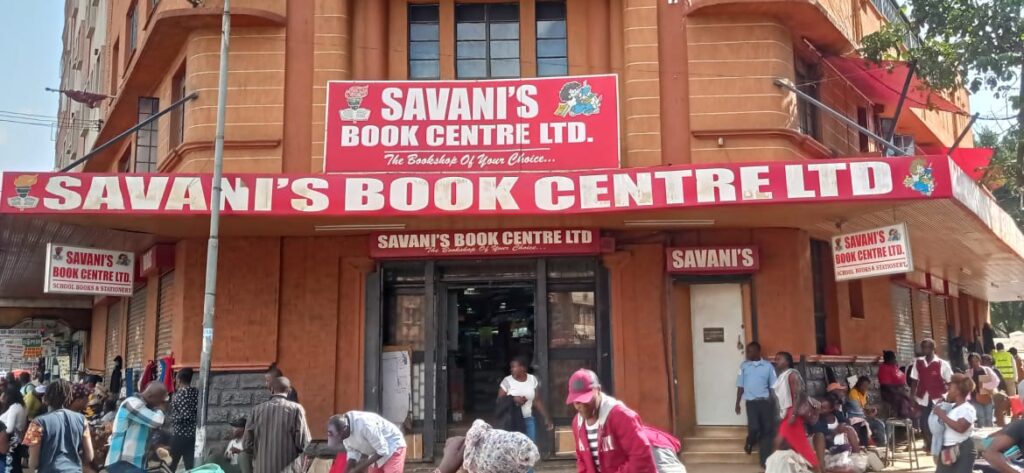
Below is a recent (July 2024) photograph of Savani’s book Centre in Nairobi which still supplies the books for Highway secondary School, Nairobi.
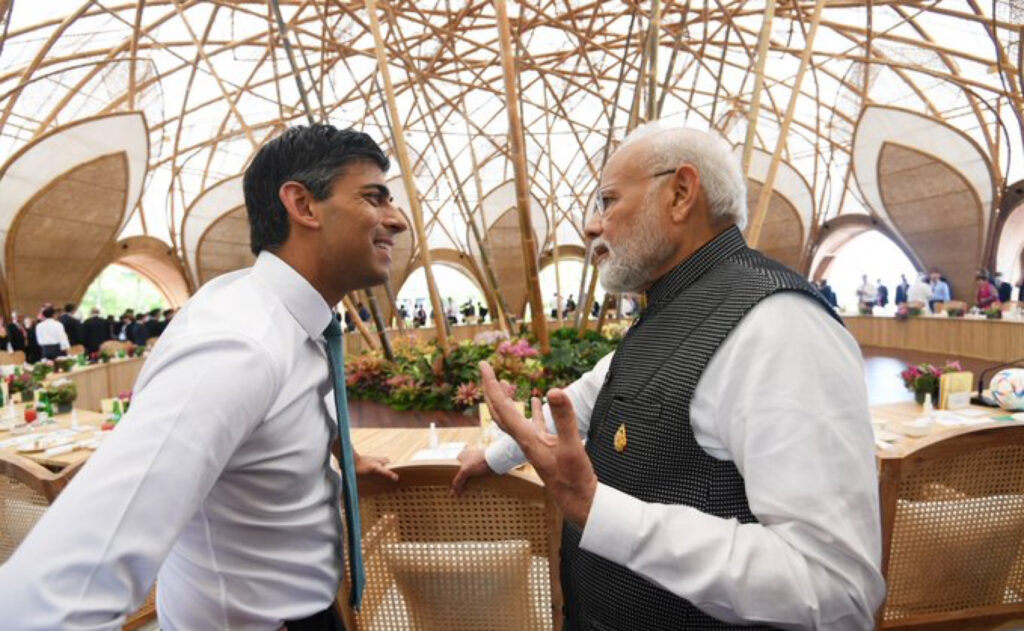
Here is Sunak meeting Modi. Two Prime Ministers who wear their Hindu identities on their sleves.
Above: Cameron predicts Sunak’s rise.
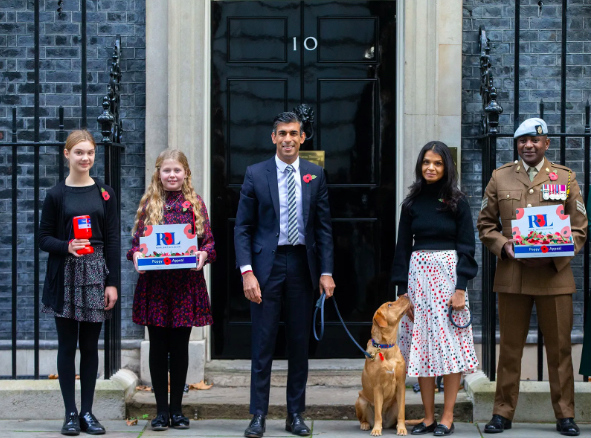
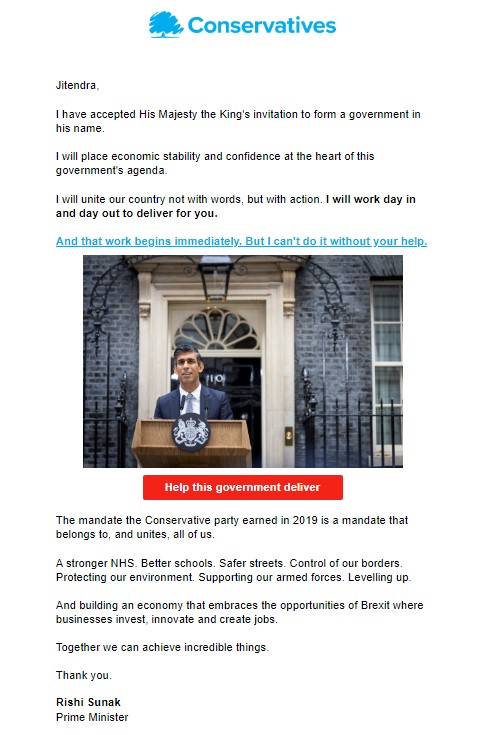
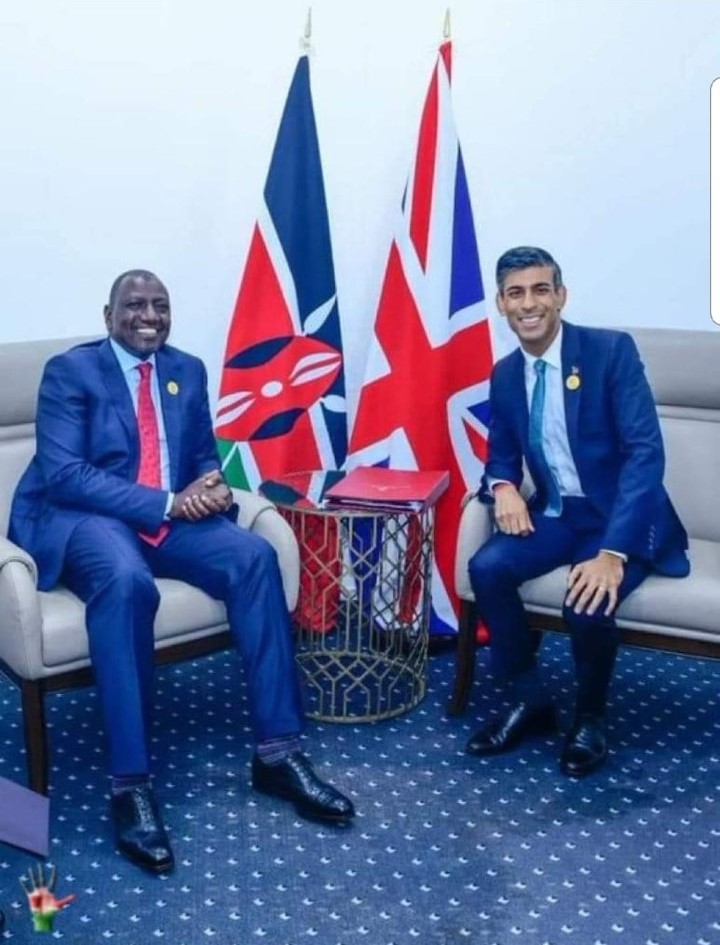
Photo below is of Sunak with President Ruto of Kenya.
Sunak visiting my local temple below left and on the right is a clip of P.M. Sunak with Morari Bapu in Cambridge. Morari Bapu’s career as a preacher began with his sponsorship by the Savani family in Nairobi. See photo below the following cluster.
Photo above right: Sunak proudly indulging in a Hindu ceremony from the heart of London.
Photo below is of Morari Bapu referred to at the head of the cluster above.
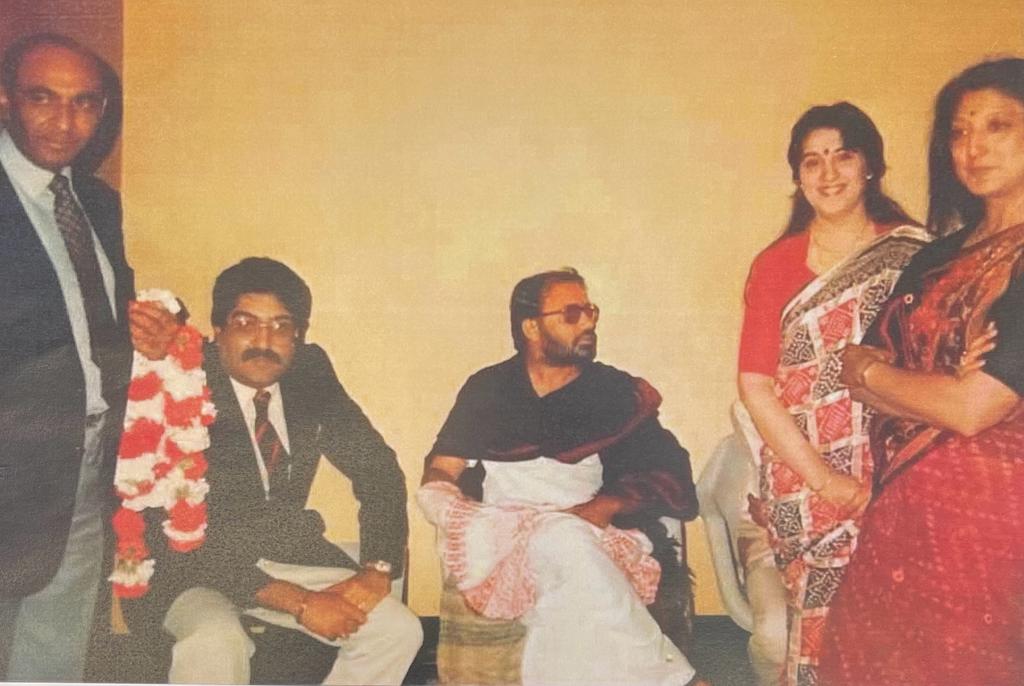
The picture above is that of a famous Gujarati preacher called Morari Bapu. He is seen here, seated right with my cousin Pravin Savani (seated left) in the early 80s. The smiling lady immediately to the left of Bapu is my cousin Damyanti. Bapu’s preaching career took off in Nairobi thanks to the sponsorship of the Savani Family.
Opinion: Rishi Sunak and Morari Bapu – What Their Meeting Means

Opinion Updated: August 24, 2023 7:30 am IST
The University of Cambridge in England is known for many things – its academic credentials, its world-class status of learning, its vibrant student life and its alums – the creme de la creme of global elites. But few would have thought that a recitation of the Ramayana in Cambridge would also generate global headlines. India’s renowned spiritual leader, Morari Bapu, conducted a nine-day Ram Katha at Jesus College, University of Cambridge last week, and it saw the participation of Britain’s first Hindu Prime Minister, Rishi Sunak, on Independence Day.
Sunak, who has never been shy of his faith, spoke eloquently about how it guides him in one of the most challenging jobs in the world. “I am here today not as a Prime Minister, but as a Hindu,” said Sunak as he sought Bapu’s blessings and underlined that his Hindu faith guides him in every aspect of his life and gives him the courage to do his best as the Prime Minister of Britain. He talked about how a “golden Ganesha sits gleefully on my desk at 10 Downing Street” as a “constant reminder to me about listening and reflecting on issues before acting”. Sunak even chanted “Jai Siya Ram” and participated in an aarti on stage. Bapu’s response has been equally warm as he underlined how “the humility with which PM Sunak approached the Vyaspeeth and conveyed his respect only underscores the virtues of his culture”.
Sunak has always been unequivocal in embracing his Hindu identity. As far back as 2017, he had declared: “I am now a citizen of Britain. But my religion is Hindu. My religious and cultural heritage is Indian. I proudly say that I am a Hindu and my identity is also a Hindu.” He not only took his oath in 2020 on the Bhagavad Gita, he has performed gau puja and has been seen wearing the kalawa (sacred red thread). He has celebrated Indian festivals like Diwali and Janmashtami with fervor. When Sunak as Chancellor had lit candles to mark Diwali on the doorstep of No 11 Downing Street, he had described it as one of his “proudest moments.”
Not surprisingly, Sunak remains the favorite of the Indian diaspora in the UK, which is one of the largest ethnic minorities in the country, coming close to 1.5 million people. This diaspora is now also becoming politically conscious and in Sunak it sees its own rise as a confident self-assured constituency which is increasingly willing to shape the destiny of their nation more actively.
Sunak’s rise is as much a tribute to his own grit and determination and the success of the Indian diaspora as it is to the rapidly evolving nature of the British politics. That the first ethnic minority Prime Minister of the United Kingdom would be a Conservative would have been unthinkable just a few years back. But the Conservative Party has managed to modernize itself by reaching out to ethnic minorities in a sustained manner since the days of David Cameron and this has paid dividends. Sunak’s comfort with his religious identity in some ways gels with values that the Tories hold dear – cultural rootedness. And his Prime Ministership has certainly brought some calm to the rank and file of the Tories, which was getting torn asunder by the shenanigans of Boris Johnson.
But the Conservatives are facing a tough political environment. Just a month back, Sunak’s party took a beating and rival Labour Party and Liberal Democrats made some serious gains in the England local elections. The Tories also lost two safe seats in by-elections with huge margins to their political opponents, underscoring the deep electoral trouble the party finds itself in. The cost of living is spiraling and there is pessimism about the future of the British economy. The Tories are no longer seen as the party of governance with the famed British public services facing an all-round collapse. And the emotive issue of Brexit is no longer generating political dividend for the party. In fact, it is fast becoming a liability with some voters questioning how things could go this wrong so rapidly.
For Sunak, it’s going to be a tall order to build a winning coalition before next year’s election. There are already predictions about the Tories facing a cataclysmic defeat in the 2024 general election. Despite falling far behind the Labour Party in opinion polls, Sunak continues to maintain that the Conservatives can still win the next general election and that the next election was not a “done deal” for Labour. He has delineated five key priorities of his government – bringing down inflation, growing the economy, reducing debt and NHS waiting times, and stopping small boat crossings to control immigration. But he has not been able to deliver on most and time is running out for him.
For all of Sunak’s achievements so far, he faces tough political challenges ahead. And it is in times like these that faith becomes an anchor, helping to navigate the turbulence around and within. While his faith may be deeply personal for Sunak, its public demonstration is also a message to the wider Indian diaspora that its support will be key for the British Prime Minister as he enters the last few difficult months of his premiership.
Note: Rishi Sunak isn’t the only one with Kenyan/East African origins to reach the top of the political ladder. The following people of similar origin also made it to Cabinet Level politics:
Priti Patel, Suella Braverman, Claire Courtinho, Shailesh Vara. None of them had families with a Lawrence School education, none of them went through torture theft, bullying and living in slum conditions!