Slave Attitudes
Radha Bharadwaj @radhabharadwaj (Photo below): When the slave will whip himself after the master has long gone, the work of colonialism is complete.

Bishop Vital Grandin as tweeted by Dr. Sheenie Ambardar @DrAmbardar (Photos below): We instil in them a pronounced distaste for the native life so that they will be humiliated when reminded of their origin. When they graduate from our institutions, the children have lost everything native except their blood. The Bishop was speaking about how the British treated Canadian Natives but was inadvertently reflecting British attituded towards Indian children.
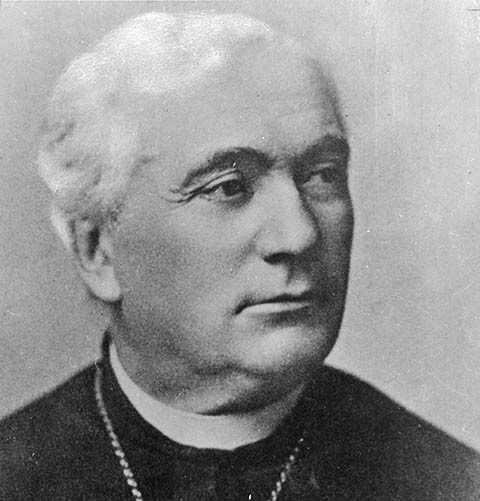

Here are two quotes from George Orwell: (Photo below)
1. Extract from Burmese Days : I have had many masters in my life, old Sammy said. The worst was Colonel Wimpole sahib, who used to make his orderly hold me down over the table while he came running from behind and kicked me with very thick boots for serving banana fritters too frequently. The words in bold are reminiscent of the ‘punishment’ inflicted by two of Mac’s prefects! (see Page Mac- Wilfred Joseph McMahon – The Stalwart Who Never Was – 5A).
2. The most effective way to destroy people is to deny and obliterate their own understanding of their History.
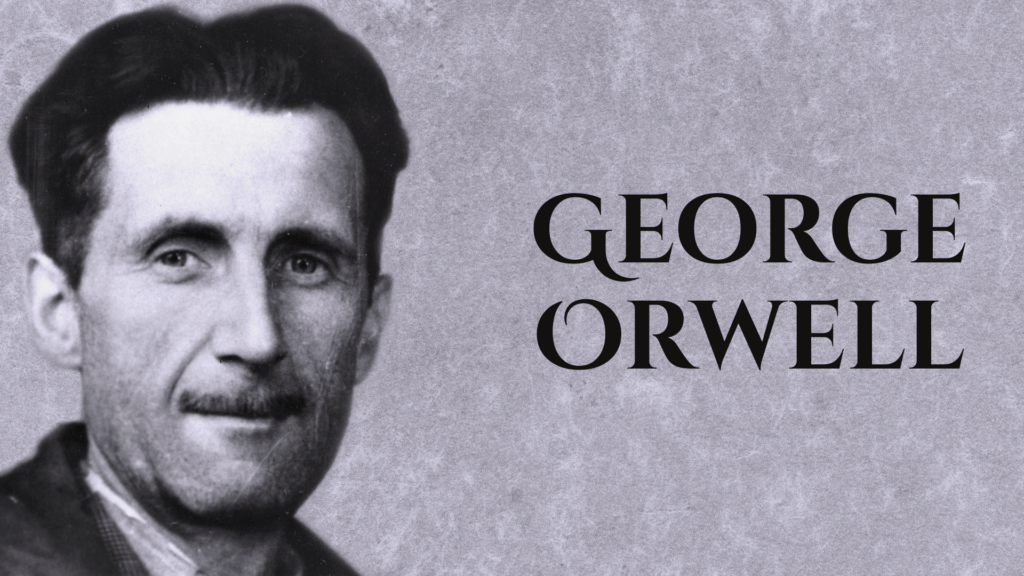
Here are 5 quotes from Ogbeni Demola:
1. Once somebody else controls your education, history, gods, politics, economy, you become a slave to that person and he becomes your master. That’s the issue with Africa. We’ve turned away from our heritage and we are lost in another man’s world
2. You’re a slave when you don’t control your politics, your economy, your education. You’re a slave when your idea of God is being passed down to you by another man. You’re a slave when you demonize your culture to embrace another man’s own.
3. Because something is legal does not mean it’s right, slavery was once legal, criminals make the laws.
4. Today’s slaves are no longer in chains, they are busy defending their oppressors.
5. History is important, there’s nothing like ‘forget the past and move on’. If you don’t know where you’re coming from, how would you know where you’re going to?
Reno Omokri: Looking down on your relatives who speak your native tongue because you speak perfect English is stupid. It is like being proud of borrowed clothes.
Education
Quote from Nandini Bahari Dhanda
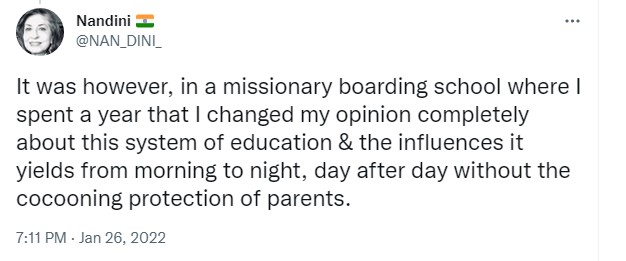
Here are 4 quotes from Macaulay (Photo below quotes)
1. I have no knowledge of either Sanscrit or Arabic. But I have done what I could to form a correct estimate of their value. I have read translations of the most celebrated Arabic and Sanscrit works. I have conversed both here and at home with men distinguished by their proficiency in the Eastern tongues. I am quite ready to take the oriental learning at the valuation of the orientalists themselves. I have never found one among them who could deny that a single shelf of a good European library was worth the whole native literature of India and Arabia.
2. I certainly never met with any orientalist who ventured to maintain that the Arabic and Sanscrit poetry could be compared to that of the great European nations. But when we pass from works of imagination to works in which facts are recorded and general principles investigated, the superiority of the Europeans becomes absolutely immeasurable. It is, I believe, no exaggeration to say that all the historical information which has been collected from all the books written in the Sanscrit language is less valuable than what may be found in the most paltry abridgements used at preparatory schools in England… (the same man would utterly contradict himself in the same speech by saying, “…we break the very backbone of this nation which is her spiritual and cultural heritage….”
3. We must at present do our best to form a class who may be interpreters between us and the millions whom we govern; a class of persons, Indian in blood and colour, But English in taste, in opinions, in morals and in intellect.
4. In Macaulay’s letter dated 12th Oct.,1836, he wrote to his father: “Our English schools are flourishing wonderfully; we find it difficult to provide instruction to all. The effect of this education on Hindus is prodigious. No Hindu who has received an English education ever remains sincerely attached to his religion. It is my firm belief that if our plans of education are followed up, there will not be a single idolater among the respected classes 30 years hence. And this will be effected without our efforts to proselytize; I heartily rejoice in the prospect
Here is a video by Palki Sharma of WION that demolishes Macaulay’s theory.
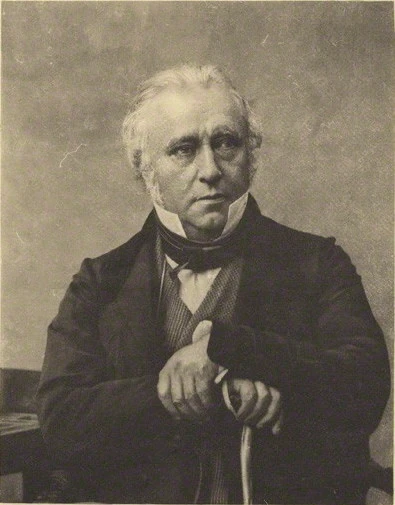
Max Müller: (Photo below quotation) argued against the opinion that Indians were an ‘inferior race’, not only because such a view was wrong but because it made an Englishman’s life there a ‘moral exile’. One source of such mistaken notions and ‘poison’ had been, and still was, James Mill’s History of British India, which in his view was ‘responsible for some of the greatest misfortunes’ that had happened to India. Those who were going out to rule India ‘should shake off national prejudices, which are apt to degenerate into a kind of madness’.
“India has been conquered once, but India must be conquered again, and that second conquest should be a conquest by education… A new national literature may spring up, impregnated with Western ideas…As to religion, that will take care of itself. The missionaries have done far more than they themselves seem to be aware of…the ancient religion of India is doomed — and if Christianity does not step in, whose fault will it be?”
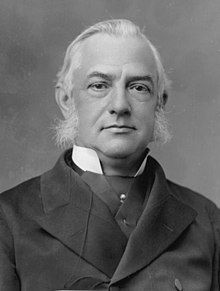
Source: Wikipedia
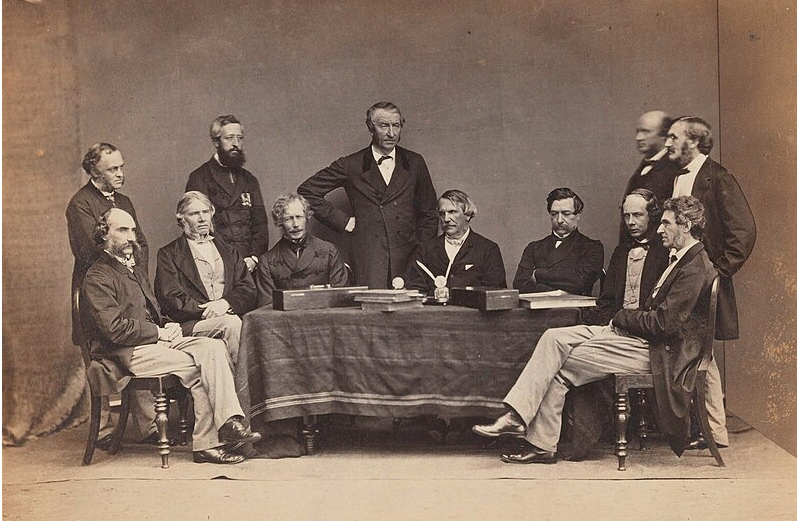
Charles Trevelyan in 1838: Educated in the same way, interested in the same objects, engaged in the same pursuits with ourselves, they become more English than Hindu… The young men brought up in our seminaries, turn with contempt from the barbarous despotisms under which their ancestors groaned… Instead of regarding us with dislike, they court our society, … the summit of their ambition is, to resemble us.
Below is a photo of Trevelyan (seated second from left) with Viceroy Baron John Lawrence (seated fourth from either side) brother of Sir Henry Lawrence.
Radhakrishnan Report 1950: One of the serious complaints against the system of education which has prevailed in this country for over a century is that it neglected India’s past, that it did not provide the Indian students with a knowledge of their own culture. It had produced in some cases the feeling that we are without roots, and what is worse, that our roots bind us to a world very different from that which surrounds us”.
East India Company – Attitude towards Hinduism
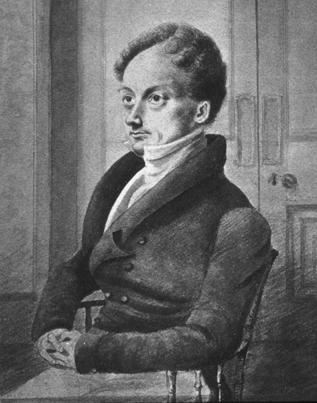

James Mill considered it part of a civilizing mission for Britain to impose its rule on India. Mill saw his own work for the East India Company as important for the improvement of Indian society. Mill portrayed Indian society as morally degraded and argued that Hindus had never possessed “a high state of civilisation.
His best known literary work is his History of British India, in which he describes the acquisition of the Indian Empire by England and later the United Kingdom. In the work, he characterizes Indian society as barbaric and Indians as incapable of self-government. He also brings political theory to bear on the delineation of the Hindu civilization, and subjects the conduct of the actors in the successive stages of the conquest and administration of India to severe criticism. The work itself, and the author’s official connection with India for the last seventeen years of his life, effected a complete change in the whole system of governance in the country. Mill never visited the Indian colony, relying solely on documentary material and archival records in compiling his work.
According to Thomas Trautmann, “James Mill’s highly influential History of British India (1817) – most particularly the long essay ‘Of the Hindus’ comprising ten chapters – is the single most important source of British Indophobia and hostility to Orientalism”. In the chapter titled General Reflections in “Of the Hindus”, Mill wrote “under the glosing exterior of the Hindu, lies a general disposition to deceit and perfidy”. According to Mill, “the same insincerity, mendacity, and perfidy; the same indifference to the feelings of others; the same prostitution and venality” were the conspicuous characteristics of both the Hindoos and the Muslims. The Muslims, however, were perfuse, when possessed of wealth, and devoted to pleasure; the Hindoos almost always penurious and ascetic; and “in truth, the Hindoo like the eunuch, excels in the qualities of a slave“. Furthermore, similar to the Chinese, the Hindoos were “dissembling, treacherous, mendacious, to an excess which surpasses even the usual measure of uncultivated society”. Both the Chinese and the Hindoos were “disposed to excessive exaggeration with regard to everything relating to themselves”. Both were “cowardly and unfeeling”. Both were “in the highest degree conceited of themselves, and full of affected contempt for others”. And both were “in physical sense, disgustingly unclean in their persons and houses”
John Stuart Mill:
Mill’s career as a colonial administrator at the East India Company spanned from when he was 17 years old in 1823 until 1858, when the Company’s territories in India were directly annexed by the Crown, establishing direct Crown control over India. In 1836, he was promoted to the Company’s Political Department, where he was responsible for correspondence pertaining to the Company’s relations with the princely states, and in 1856, was finally promoted to the position of Examiner of Indian Correspondence. In On Liberty, A Few Words on Non-Intervention, and other works, he opined that “To characterize any conduct whatever towards a barbarous people as a violation of the law of nations, only shows that he who so speaks has never considered the subject”. (Mill immediately added, however, that “A violation of the great principles of morality it may easily be.”)] Mill viewed places such as India as having once been progressive in their outlook, but had now become stagnant in their development; he opined that this meant these regions had to be ruled via a form of “benevolent despotism“, “provided the end is improvement”. When the Crown proposed to take direct control over the territories of the East India Company, he was tasked with defending Company rule, penning Memorandum on the Improvements in the Administration of India during the Last Thirty Years among other petitions. He was offered a seat on the Council of India, the body created to advise the new Secretary of State for India, but declined, citing his disapproval of the new system of administration in India. (Wikipedia)#
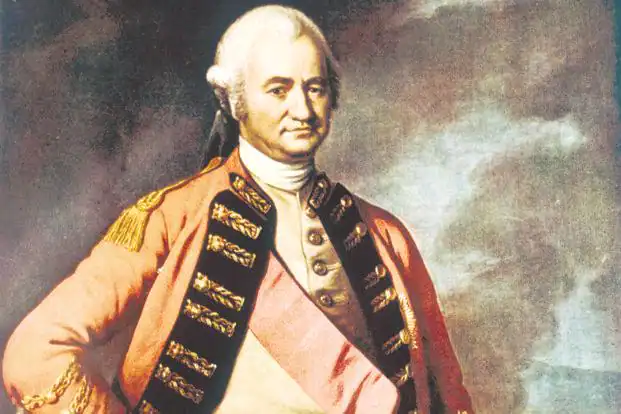
Robert Clive: Am I not deserving of praise for the moderation which marked my proceedings? Consider the situation in which victory at Plassey had placed me. A great prince was dependent on my pleasure; an opulent city lay at my mercy…I walked through vaults…piled…with gold and jewels! Mr Chairman, at this moment I stand astonished at my own moderation!
Warren Hastings: Hindoos are the biggest enemies to the British empire and an unceasing threat to our very existence. Their temples are the satanic houses that spawn dissatisfaction and revolt. We must at any cost acquire and regulate these temples under the guise of management in order to quell any impending revolt against us. These Pagodas could more than aid in financing our future conquests Warren Hastings as Governor General of India. He passed 1817 act that took over Hindu temples.
Lord Moira Governor General of India : The Hindoo appears a being nearly limited to mere animal functions and even in them indifferent. Their proficiency and skill in the several lines of occupation to which they are restricted, are little more than the dexterity which any animal with similar conformation but with no higher intellect than a dog, an elephant or a monkey, might be supposed to be capable of attaining.
Clive writing to his friend Orme immediately after the enthronement of Meer Jaffier:
I am possessed of volumes of materials for the continuance of your History, in which will appear fighting, tricks, chicanery, intrigues, politics, and the Lord knows what.
THE PRAYER OF THE EAST INDIA COMPANY’S SERVANTS
Almighty and most Merciful God , who art the Sovereign Protector of all that Trust in Thee , and the Author of all Spiritual and Temporal Blessings , we thy unworthy Creatures do most humbly implore thy goodness for a plentiful Effusion of thy Grace upon our Employers , thy Servants , the Right Honourable EAST INDIA Company of ENGLAND. Prosper them in all their publick Undertakings , and make them famous and successful in all their Governments , Colonies , and Commerce both by Sea and Land ; so that they may prove a publick Blessing by the increase of Honour , Wealth and Power to our Native Country , as well as to themselves . Continue their Favours towards us , and inspire their Generals , Presidents , Agents and Councils in these remote parts of the World , and all others that are entrusted with any Authority under them , with Piety towards Thee our God and with Wisdom Fidelity and Circumspection in their several Stations ; That we may all discharge our respective Duties faithfully and live Virtuously in due Obedience to our superiors and in Love Peace and Charity one towards another : That these INDIAN Nations among whom we dwell seeing our sober and righteous Conversation may be induced to have a just esteem for our most holy Profession of the Gospel of our Lord and Saviour Jesus Christ to whom be Honour , Praise and Glory , now and for ever, AMEN.

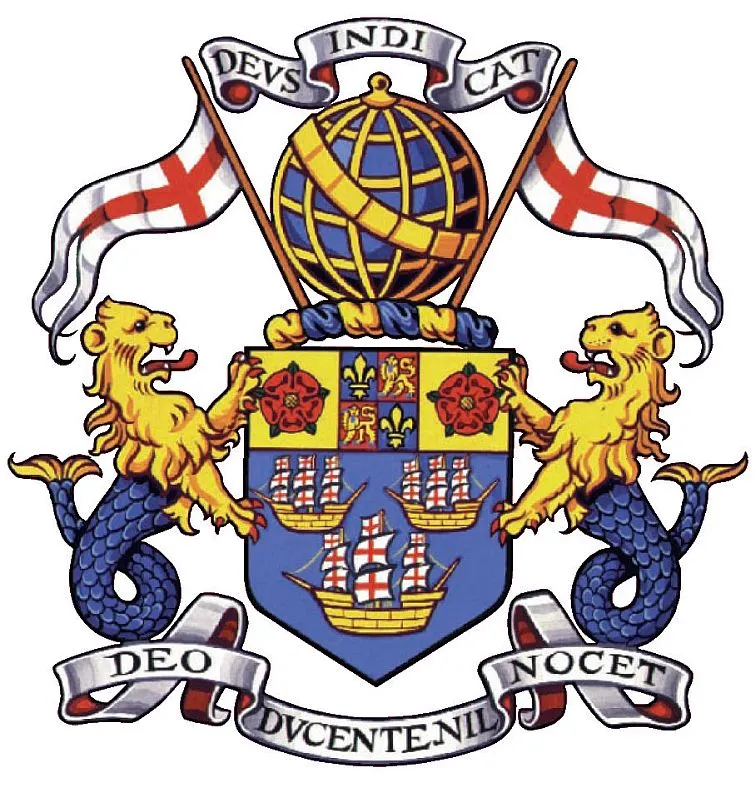
(God is our leader. When God leads, nothing can harm.) Source: heraldry-wiki
Below is the Coat of Arms that Sir Henry Lawrence would have displayed. The motto Auspicio Regis Et Senatus Angliae translate as ”Under the auspices of the sovereign and senate of England“

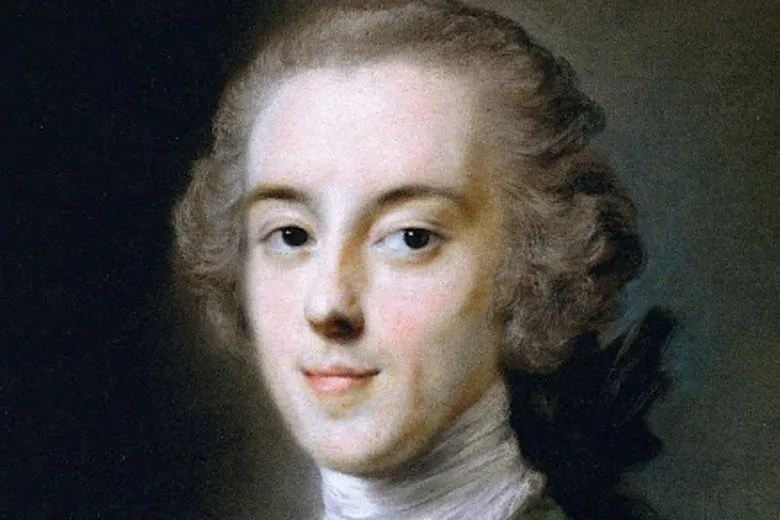
Horace Walpole
“They starved millions in India by monopolies and plunder, and almost raised a famine at home by the luxury occasioned by their opulence, and by that opulence raising the price of everything, till the poor could not purchase bread!”
Dickens on India

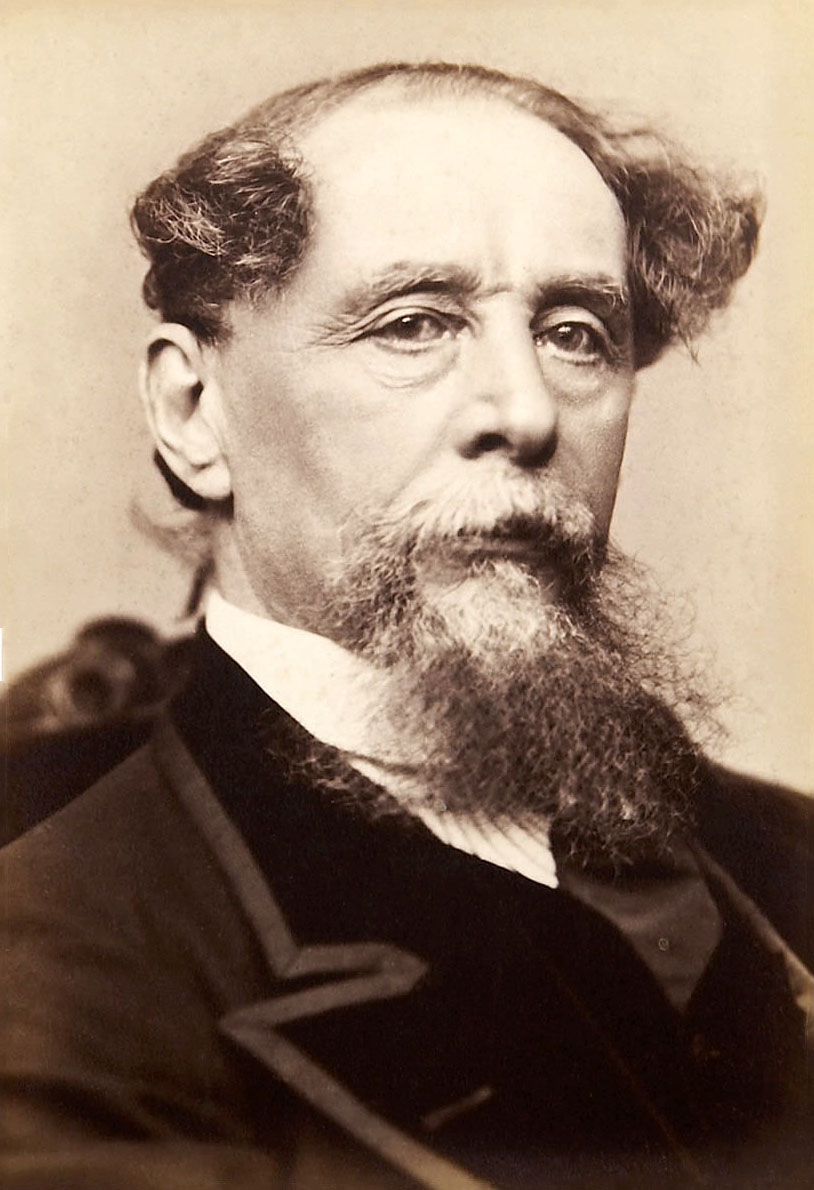
However ignored in the celebrations will be the reality that Charles Dickens, like many of his English and British contemporaries, was a genocidal racist. Thus Charles Dickens in a letter to Emile de la Rue on 23 October 1857 about the so-called Indian Mutiny of 1857 : “I wish I were Commander in Chief over there [ India ]! I would address that Oriental character which must be powerfully spoken to, in something like the following placard, which should be vigorously translated into all native dialects, “I, The Inimitable, holding this office of mine, and firmly believing that I hold it by the permission of Heaven and not by the appointment of Satan, have the honour to inform you Hindoo gentry that it is my intention, with all possible avoidance of unnecessary cruelty and with all merciful swiftness of execution, to exterminate the Race from the face of the earth, which disfigured the earth with the late abominable atrocities.”
“You know faces, when they are not brown; you know common experiences when they are not under turbans; Look at the dogs – low, treacherous, merderous, tigerous villians.” – Dickens on Bharat, in a private letter to Emily de la Rue.
Just think, these words were written by somebody who wanted to avenge the death of Sir Henry Lawrence, among others. Yet his books are regarded as compulsory reading! I know, I had to read Oliver Twist in Junior School!
Characters like Mac wouldn’t have known and indeed wouldn’t have wanted to know about these facts.
Throughout my 11 years I never ever came across anybody reading any book, vernacular or English, by an Indian author! The irony here is that in modern Britain books written by Salman Rushdie are used as text books!
India’s former Chief Justice Chandrachud actually prides himself in quoting Dickens!
Pre-Independence
“Indian troops had been used as mercenaries” in “Burma, China, Iran..Middle East, and ..Africa” making them “symbols of British imperialism”: Jawaharlal Nehru in Discovery of India.

Reginald Arthur Reynolds ‘We conquered India by the sword, and by the sword we shall keep it.’ Cited by Reginald Reynolds under the title ‘An Honest Imperialist’. That ‘outlet for goods’ business hasn’t really gone away. Reynolds lists famines, wars, massacres, then adds: ‘In return for these exactions, the Company gave India the benefits of civilisation. The death penalty was introduced for the most trivial of offences; for the backward people of India did not know that the proper punishment for petty theft was hanging. Their conquerors had a much stronger sense of the importance of property. Reginald Arthur Reynolds (1905 – 16 December 1958) was a British left wing writer, poet, a Quaker and an anti-colonial activist.
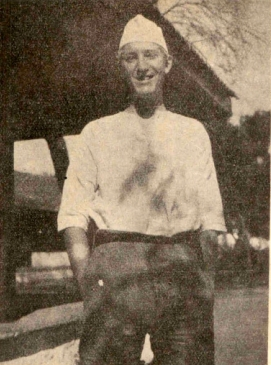
Open Derision
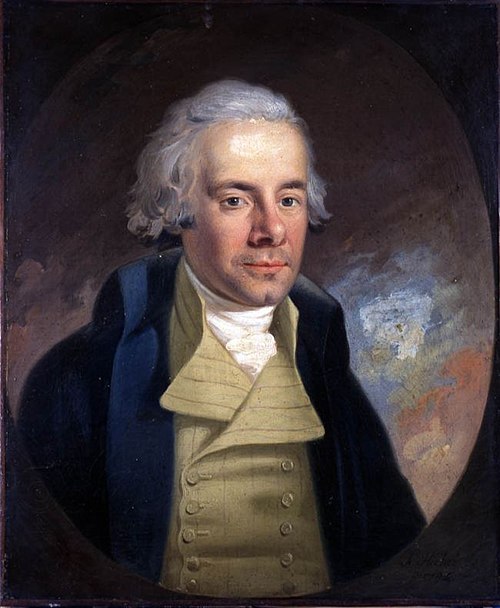
The foulest blot on the moral character [of Britain was] that it allowed its Hindu subjects to remain under the grossest, the darkest and most degrading system of idolatrous superstition that almost ever existed upon earth… Our religion is sublime, pure beneficent, theirs is mean, licentious and cruel. William Wilberforce
Earl Mayo: We are all British gentlemen engaged in the magnificent work of governing an inferior race Earl Mayo, photo below is the founder of Mayo College
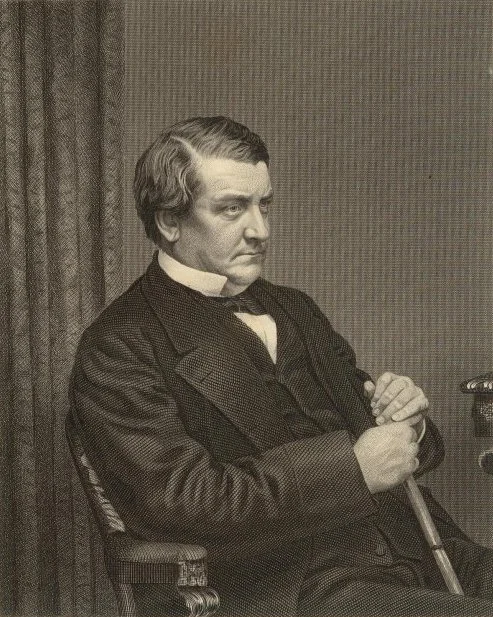
Lord Brentford We did not conquer India for the benefit of the Indians. I know it is said at Missionary Meetings that we conquered India to raise the level of Indians. That is cant. We conquered India as an outlet for the goods of Great Britain. Lord Brentford was U.K. Home Secretary 1924-29
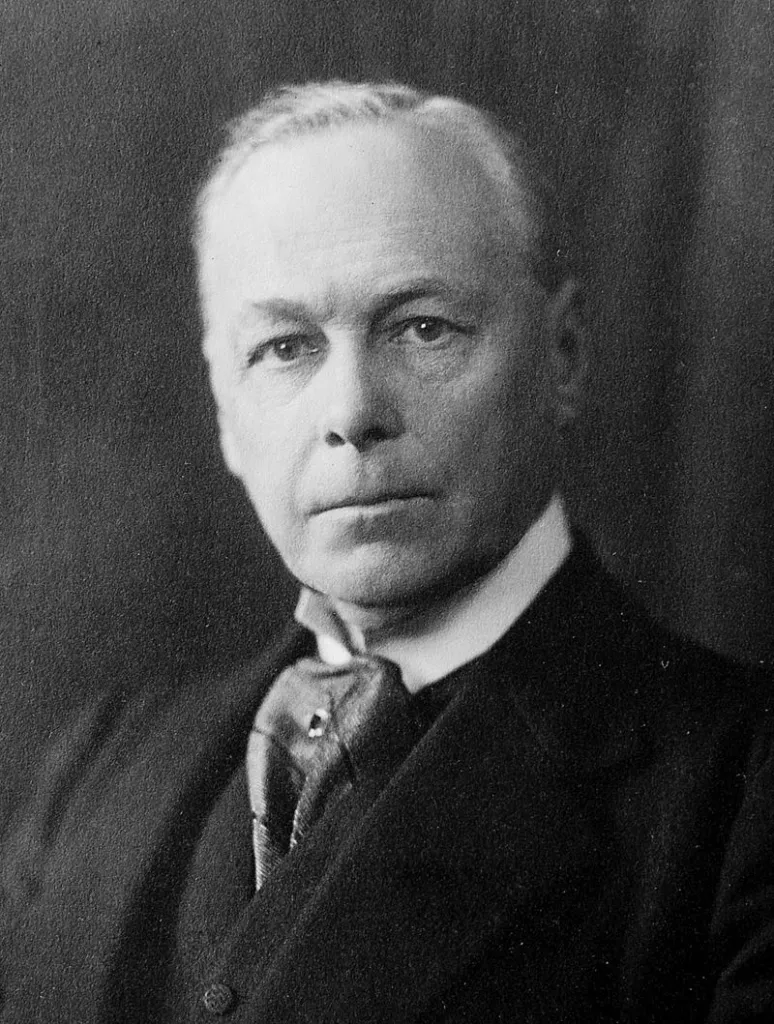
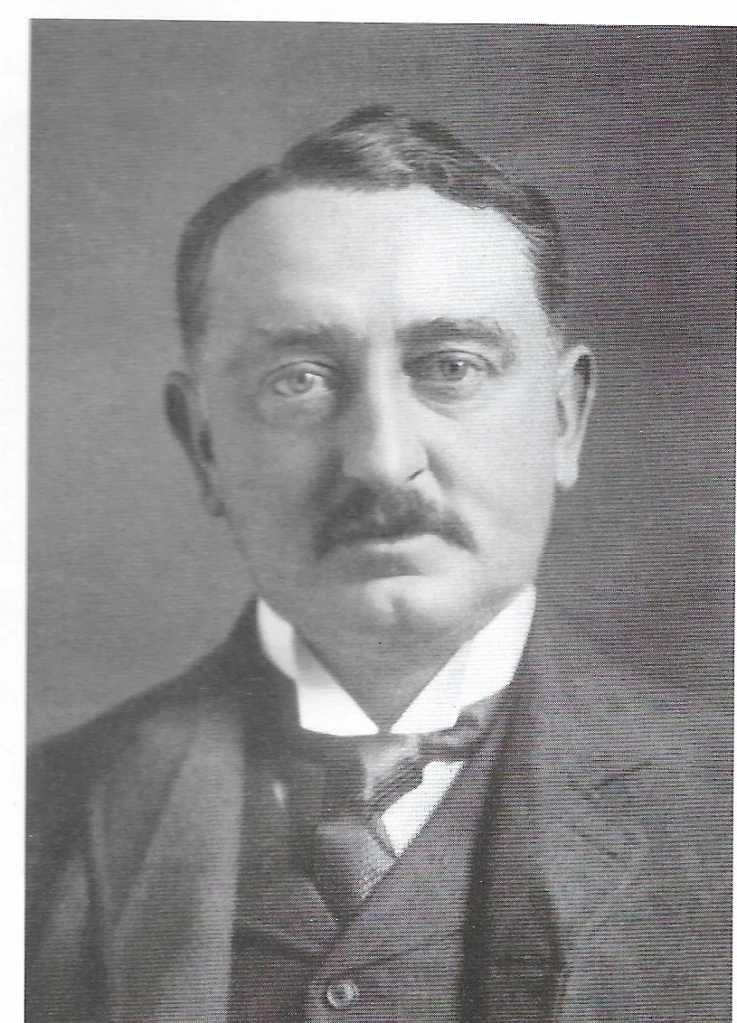
Cecil Rhodes: The native is to be treated as a child and denied the franchise. We must adopt a system of despotism, such as works in India, in our relations with the barbarism of South Africa.
Here is a clip of what Winston Churchill said about India
Ooty
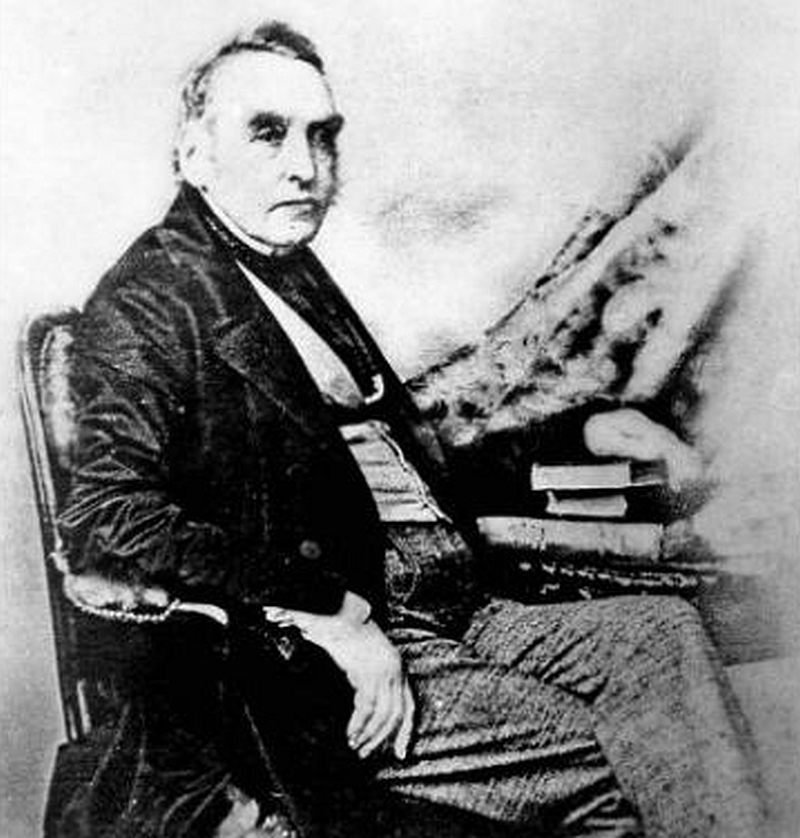
John Sullivan:The little court disappears, trade languishes, the capital decays, the people are impoverished. The Englishman flourishes and acts like a sponge drawing up riches from the banks of the Ganges and squeezing them down upon the banks of the Thames.”
Eurasian- Mestizo-Anglo Indian
Christopher J Hawes: Poor Relations: The Making of a Eurasian Community in British India: if ever a community could have wished for its own corporate dissolution, and for complete integration with its paternal society, it would have been the educated Eurasians of early nineteenth century India.‘ Quote from Poor Relations: by Christopher J Hawes.
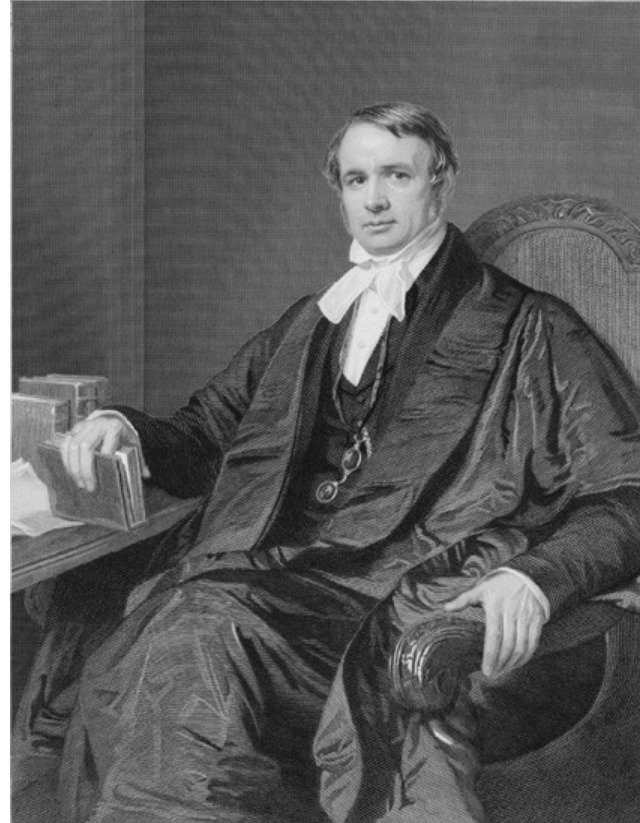
Bishop Cotton: (see portrait below) had to say in St Paul’s Cathedral, Calcutta in 1860: Public thanksgiving to Almighty God for deliverance from the seepoy revolt should take expression in the form of schools for the children of the community (Anglo-Indian) that had stood so ably by England in her hour of need and which shed its blood for kinsmen across the seas.
Barry O’Brien from his book The Anglo-Indians: A Portrait of a Community (2022): We were the only community in India created by the British and rejected by them when they left