How a British military asylum for “pure European” orphans became a symbol of post-colonial prestige—while its founder’s contradictions remain unexamined.
The Founder’s Vision: A School for Europeans Only
In 1856, Brigadier-General Sir Henry Montgomery Lawrence, an East India Company officer who would die fighting Indian rebels during the 1857 ‘Mutiny’, proposed a school in India’s Nilgiri Hills. His vision was explicit: the Lawrence Asylum (later Lawrence School, Lovedale) was to educate only the children of European soldiers, preferably orphans, with “pure European parentage.” Lawrence’s will and the school’s early rules barred Indian pupils, reflecting the racial hierarchies of colonial rule. As uncovered in archives like the British Library and the National Army Museum, this exclusionary mandate was no oversight—it was policy. Note: Other Pages raise serious questions about the rank Brigadier-General, which rank was given at his own request by the Governor General Canning and lasted for fewer than 2 months until Lawrence’s death. That rank was never recognised by Queen Victoria.
The Great Paradox: Honoring a Man Who Fought India
Today, the school’s annual Founders’ Day parade sees Indian students marching to celebrate Lawrence, a man who:
- Died fighting Indians in the 1857 uprising (which Indians now call the First War of Independence).
- Never intended for them to attend the institution they now cherish as alma mater.
Perhaps one of the greatest ironies is that India’s legendary warrior queen, Rani Laxmibai of Jhansi—who fought fiercely against the British during the 1857 uprising—is entirely forgotten during these celebrations. Equally overlooked is Rani Uda Devi, a heroic figure who reportedly killed several of Lawrence’s men in battle. Yet today, Indian children parade in honor of a colonial oppressor while these fearless women fade from memory.
Last week’s 167th-anniversary celebrations—flooded with Indian faces—would have baffled Lawrence, whose 1856 prospectus insisted on “strictly Protestant” European orphans. The colonial-era campanile still towers over the campus, but its legacy is reinterpreted by those it once excluded.
Post-Colonial Reinvention: From Racial Exclusion to “Miniature India”
After India’s independence in 1947, the school was handed to the Indian government. It rebranded as a “secular, cosmopolitan” institution, reserving 40% of seats for military families and subsidizing fees—a far cry from its origins. Alumni like business tycoon Anand Mahindra and alleged novelist Arundhati Roy (personally I can’t stand her) now embody its prestige, yet few know the school’s foundational racial bar.
A Personal Account: The Hidden Brutality Behind the Facade
Behind the polished reputation lay a darker reality. After the British departed, the school fell into the hands of Anglo-Indian administrators who perpetuated neglect. Housemasters like McMahon (see several Pages on him)—known for abandoning students to gamble at the Lawley Institute—epitomized the institutional apathy. Filthy conditions, water shortages, and unchecked bullying thrived under staff who turned a blind eye. The school’s “prestige” was a carefully maintained illusion, masking systemic failures.
The Life Left Behind
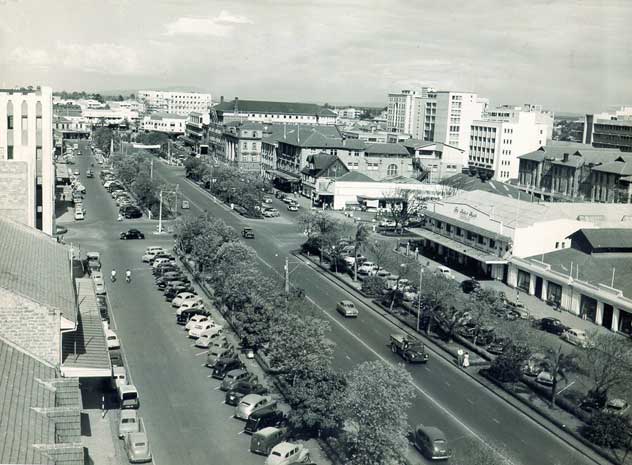
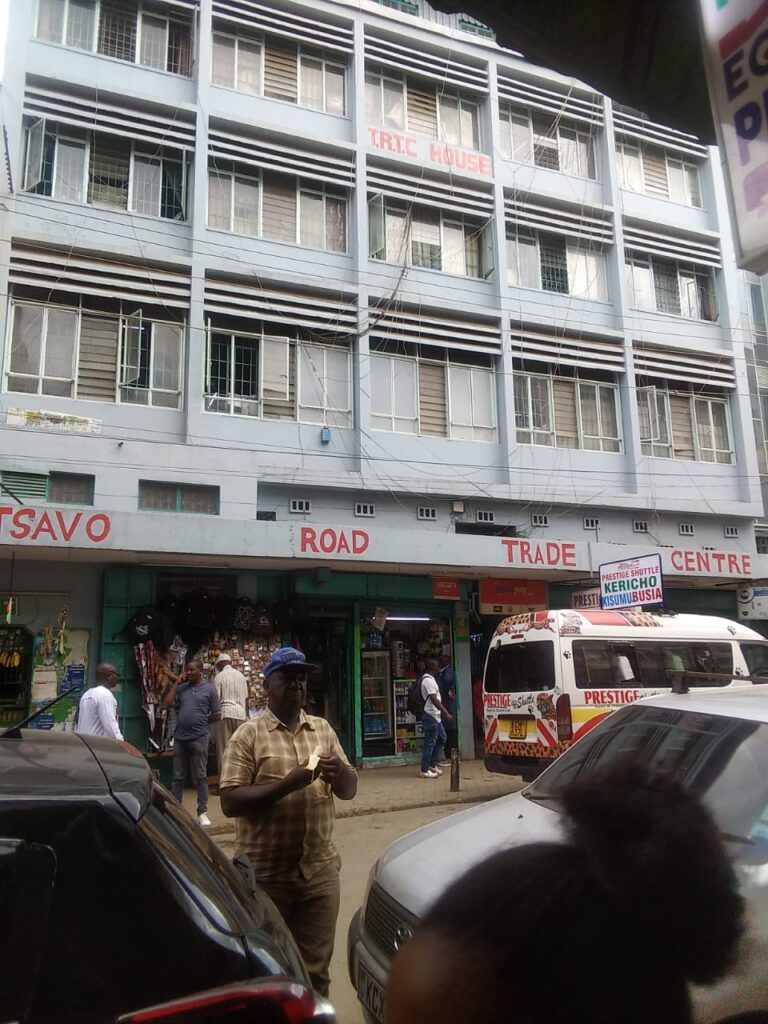
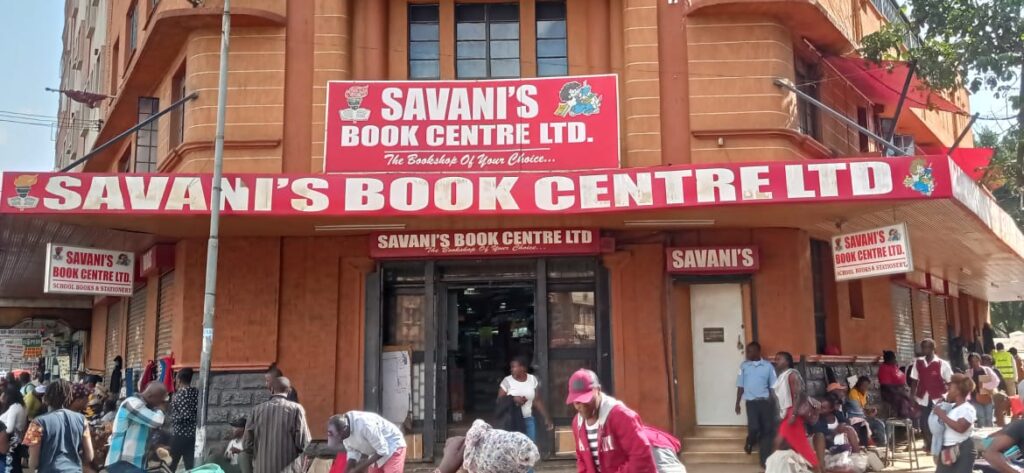
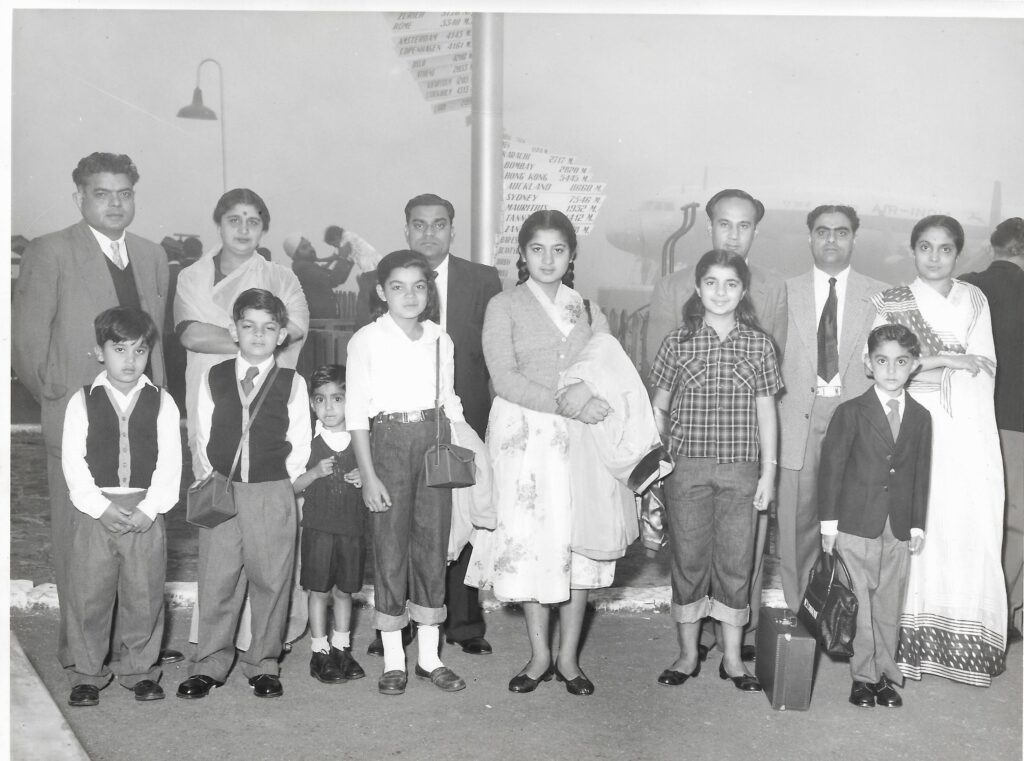
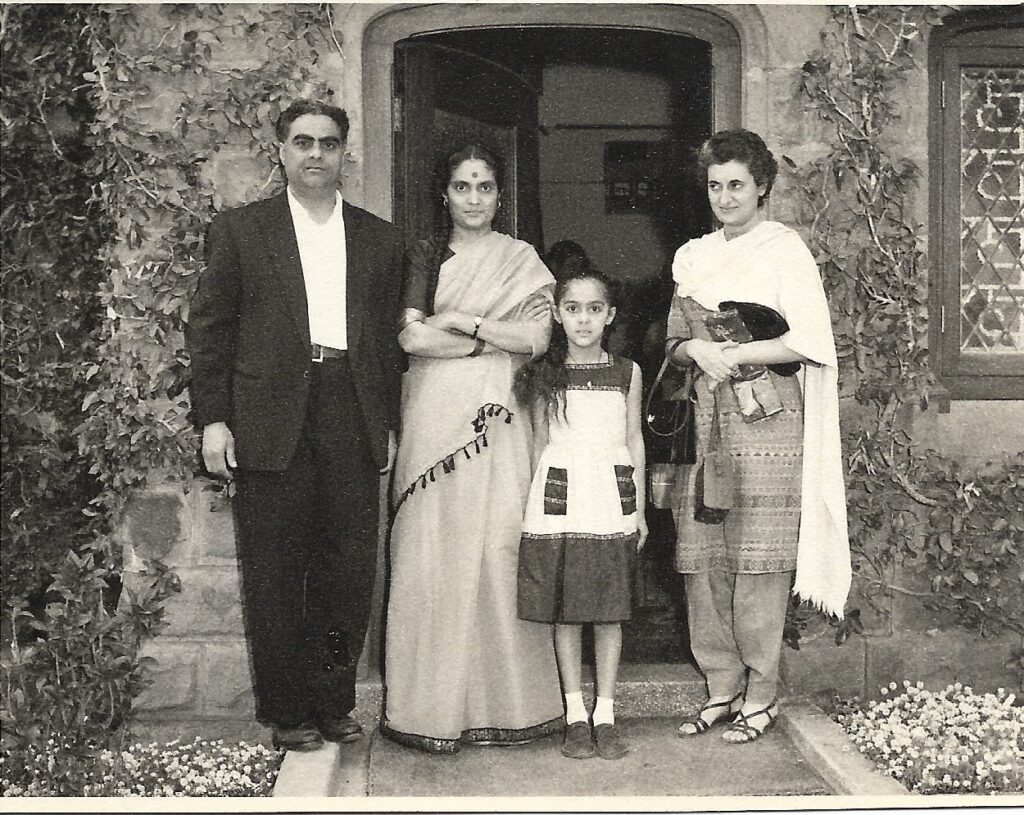
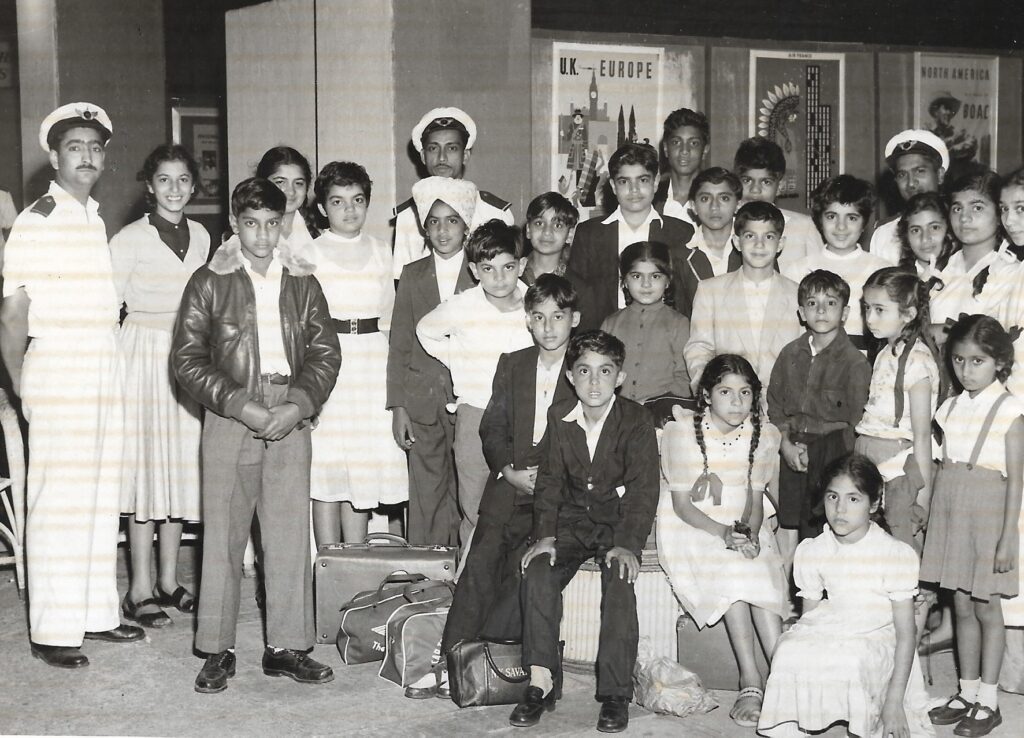
I set out below photographic evidence of the blissful life I was leaving behind—a childhood in Nairobi marked by prosperity, cleanliness, and happiness—only to be thrust into a so-called prestigious institution whose reputation was entirely bogus.
Innocence Lost: Nairobi to Lovedale—A Childhood Fractured by Colonial Legacy.”